Population monitoring is an effective way to assess the effectiveness of measures implemented in the project’s action areas, especially those related to habitat management (removal of large trees and/or shrubs, targeted monitoring of extensive sheep grazing, translocation of individuals, etc.).
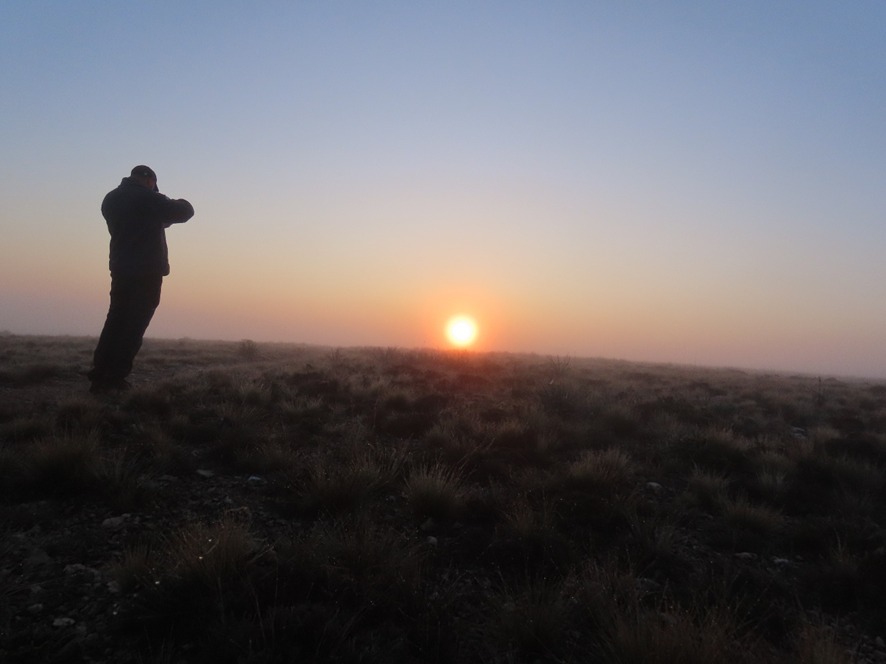
Photo 1. Project technician at the end of a census transect at dawn, in the moorlands of Embid (Guadalajara).
The Dupont’s Lark (Chersophilus duponti) is a steppe-dwelling passerine bird whose males reach peak vocal activity during the spring months, coinciding with the species’ breeding season. Furthermore, the highest frequency of vocalizations occurs approximately one hour before sunrise, coinciding with the spectacular dawn chorus of the Iberian moorlands. This makes this period the optimal time forconducting targeted monitoring and species-specific censuses.
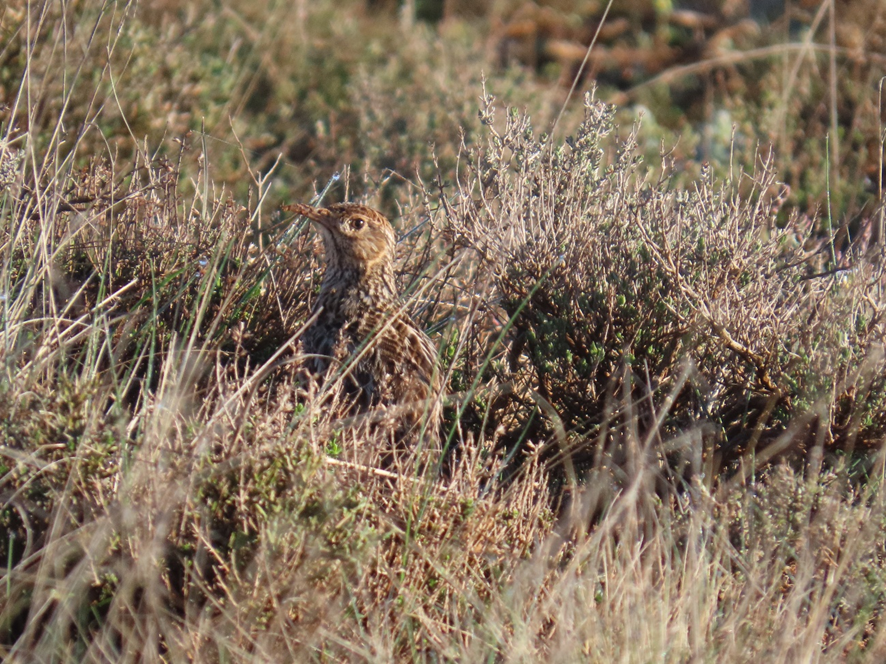
Photo 2. A Dupont’s Lark observed in the moorlands of Atienza (Guadalajara) after the walking transects were completed.
As part of the LIFE Connect Ricotí project, the census methodology is based on slow-paced walking transects during which singing males are geo-referenced within a 500-meter-wide survey band. These transects were designed across project action areas located in Segovia, Guadalajara, and Cuenca. At present, the team is in the midst of the census campaign, which will continue through June.