During spring—especially between March and June—Dupont’s lark requires a substantial number of insects to feed itself and raise its young. Therefore, knowing how much insect biomass is present in its habitat is key to understanding its chances of survival.

Figure 1. Dung beetle adults feeding on sheep droppings in the high plateau.
Through the LIFE Connect Ricotí project, studies are being carried out to measure this amount of available food. How do we do it? By using very simple traps placed on the ground: a PVC tube is inserted into a small hole, inside of which a cup filled with propylene glycol (a substance that preserves the insects) is placed. This acts as a trap where ground‑moving insects fall in. After one week, the traps are collected and the captured insects are preserved in ethanol for laboratory analysis.
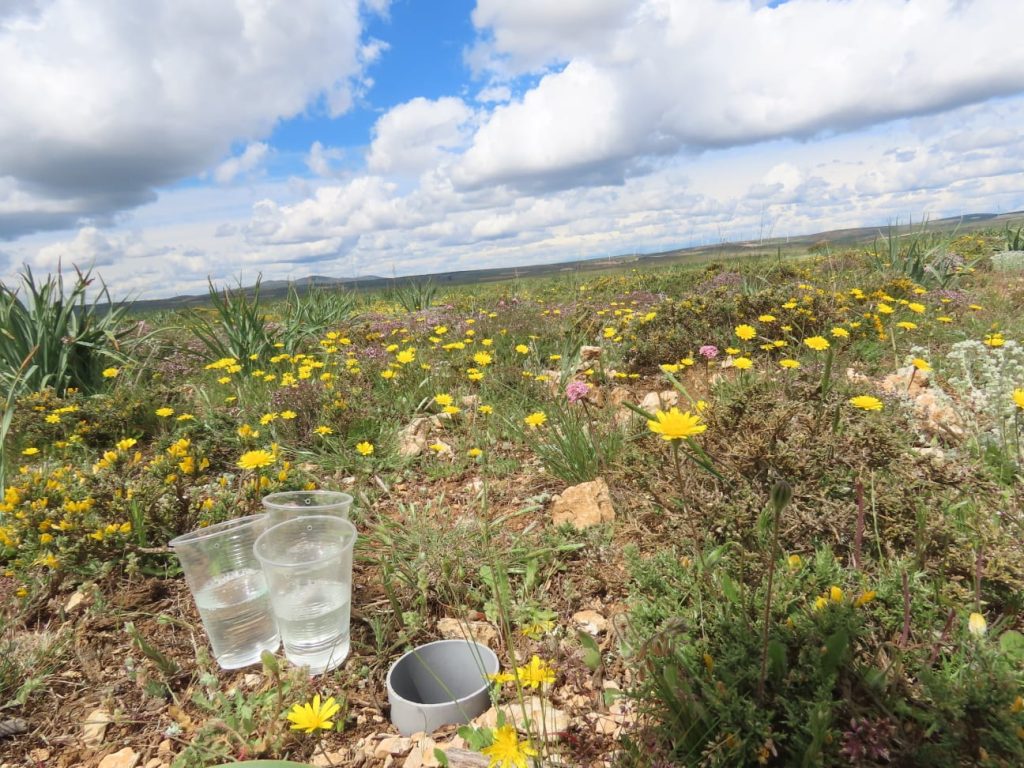
Figure 2. Placement of pitfall traps in the Molina de Aragón plateau.
This fieldwork was conducted during May and June in three key areas for the species that are part of the project: Hoces del Duratón and Riaza (Segovia), Parameras de Molina (Guadalajara), and Valeria, Moya, and Pedro Izquierdo (Cuenca). The samples are now ready to be analyzed and to continue providing valuable information for the conservation of this highly threatened species.