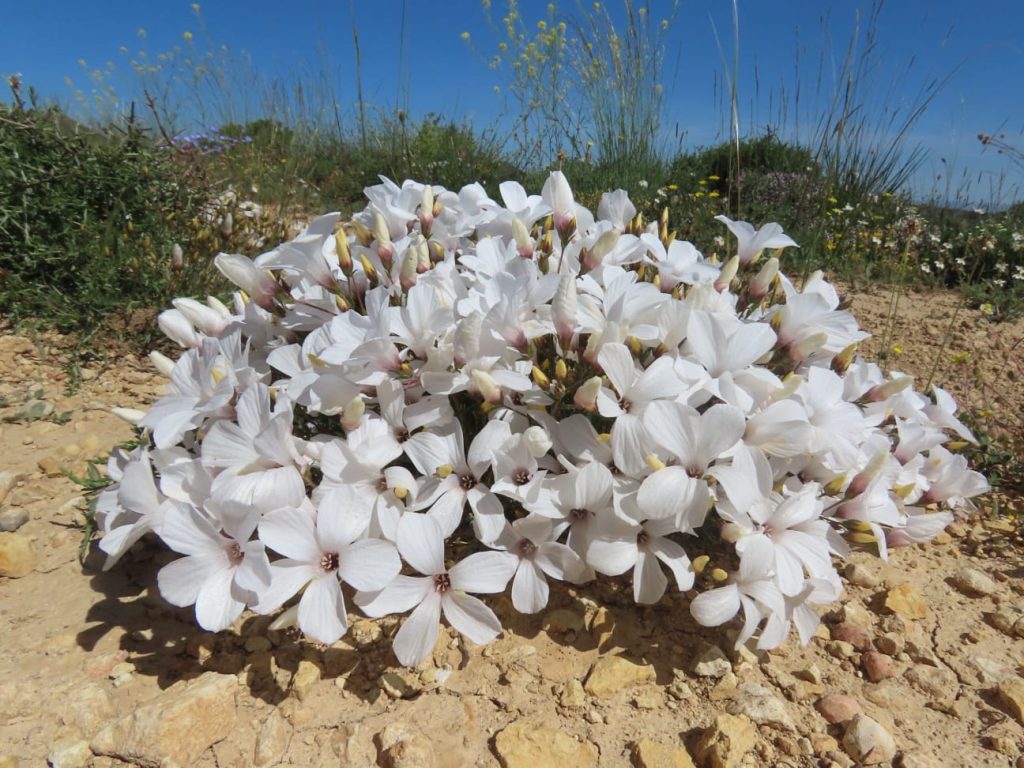
As mentioned in previous entries, the Iberian steppe plateaus are optimal habitats for one of the most threatened birds in Europe: Dupont’s lark. However, they also act as reservoirs for a large number of plant species, some of them truly scarce in the Iberian Peninsula. Thus, many plants find in the moorlands the ideal conditions to complete their life cycle, playing an important ecological role in the ecosystem.

The abundant rains prior to spring allowed many species to develop extraordinarily, as observed during the spring surveys of the LIFE Connect Ricotí project, where this floristic diversity has been documented in study areas such as the Molina de Aragón steppe plateau or those in Cuenca province.
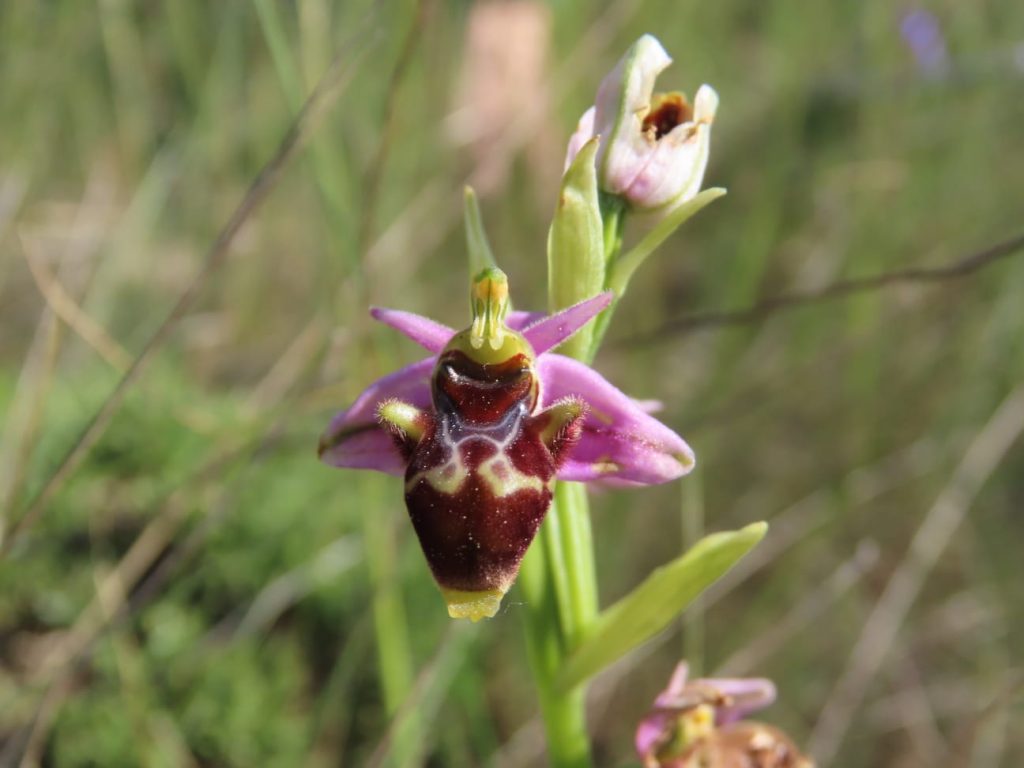
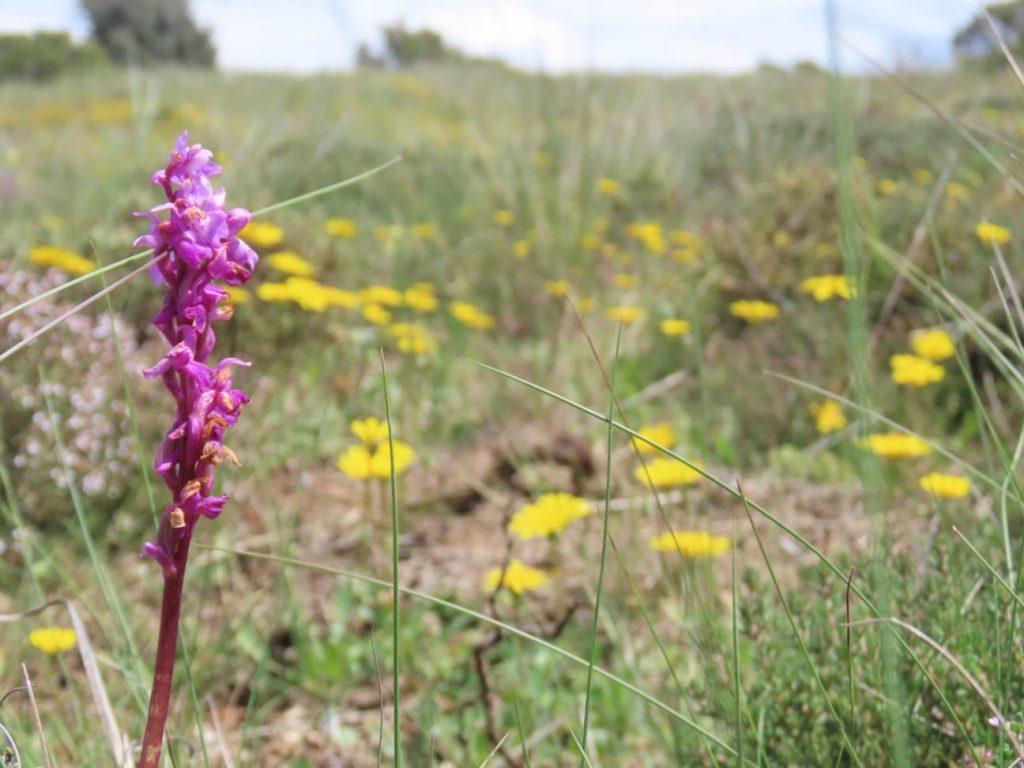
Even for orchid enthusiasts, the Iberian steppe plateaus are unaltered natural areas where several species take refuge, often occurring in large numbers and sometimes forming natural hybrids. For example, a walk through the Moya steppe plateau in April can be an excellent opportunity to enjoy a rewarding orchid session, especially species of the genera Ophrys and Orchis.