In the context of ecological restoration, bird communities are a good indicator of the quality of the restored habitat. During the spring of 2023, the LIFE Connect Ricotí project conducted censuses of passerine birds as part of two types of studies: 1) to evaluate the effect of the grazing load gradient on different elements of the ecosystem, including birds; and 2) to assess the impact of the ecological restoration of the steppe habitat.
These censuses were carried out in the areas surrounding the Hoces of Duratón and Riaza (Segovia); Hinojosa, Embid, and Torrubia (Guadalajara); and Moya, Valeria, and Pedro Izquierdo (Cuenca).
The sampling was done using listening stations with georeferencing of all species and individuals of passerine birds according to a BACI design (Before-After Control-Impact study): action zones (removal of scattered trees to be carried out in the autumn of 2023) and control zones (original habitat of the action area and destination of the action). The censuses were conducted in April/May 2023, during peak activity hours: from 7:00 to 9:30 in the morning. The duration of each station was 5 minutes.
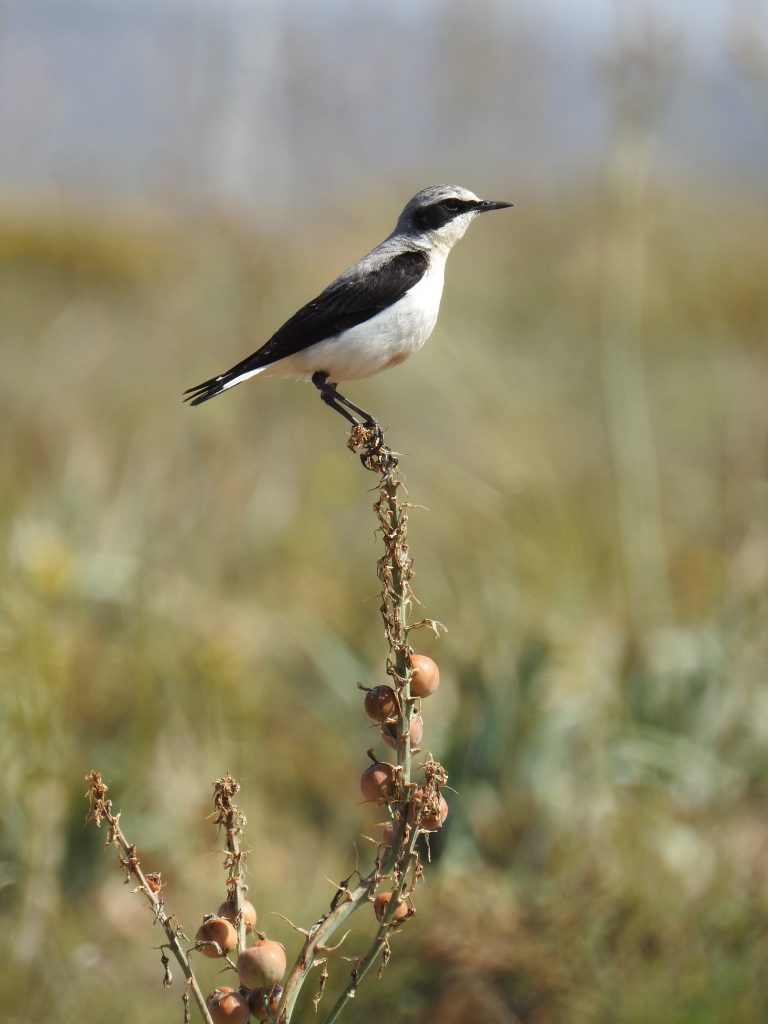
A total of 91 listening stations were conducted, resulting in 883 bird observations of 42 different species, with the most common being the common lark (162 sightings), the Thekla lark (108 sightings), and the lesser short-toed lark and the woodlark (both with 73 sightings).
This year we conclude the pre-action censuses and are already preparing for the 2024 season censuses, which will be the first year conducted after the project’s actions. We will continue to provide updates on the potential changes in the community.